What Is Endoscopic Ear Surgery?

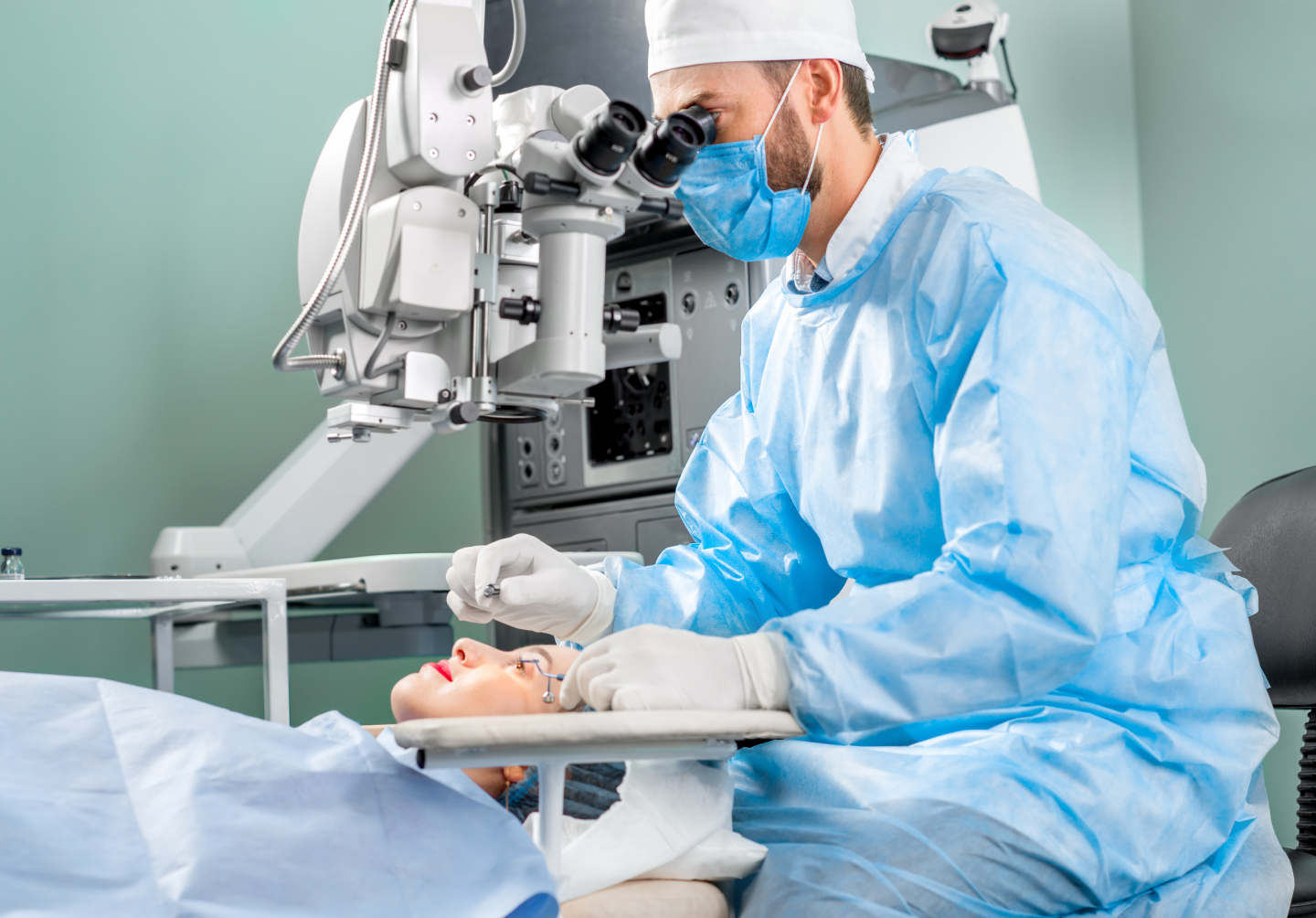
Endoscopic ear surgery is a minimally invasive approach that uses a slender, rigid endoscope equipped with a camera and light. This allows surgeons to access and operate on the tiny structures of the middle ear through the ear canal, rather than making larger incisions behind the ear. Conditions such as chronic ear infections, cholesteatoma, eardrum perforation, conductive hearing loss, and tumors of the middle ear can all be treated using this technique.

Benefits of Endoscopic Ear Surgery

  • Minimally invasive: Accesses the middle ear via the ear canal, avoiding larger external incisions and visible scarring.
  • Enhanced visualization: Provides wide-angled, magnified images for better assessment and precision, especially in hard-to-reach areas.
  • Reduced pain & faster recovery: Patients experience less postoperative discomfort and can resume normal activities sooner.
  • Preserves ear structure: Minimizes tissue disruption and preserves normal anatomy whenever possible.
  • Improved outcomes: Leads to excellent hearing restoration and treatment success for many middle ear conditions.

Why Treat Ear Disorders?

Addressing ear disorders promptly is crucial for protecting both hearing and overall quality of life. When ear problems are left untreated, they can result in ongoing infections, progressive hearing loss, persistent pain,

and difficulties with balance. Some conditions may even cause complications by affecting surrounding nerves or spreading to adjacent structures, potentially leading to more serious health concerns. With early intervention and expert care, progression of disease is halted, hearing can often be restored or preserved, and everyday comfort and safety are maintained.

“I struggled with recurring ear infections and hearing loss for years. Dr. Basheeth’s endoscopic surgery was quick and recovery was easy—with no visible scar. My hearing is finally back, and life is so much better.”

Surgical & Treatment Details

Endoscopic ear surgery is typically performed under general anesthesia, with a small endoscope inserted through the ear canal to directly visualize the eardrum and middle ear structures. The delicate nature of the procedure allows for removal of disease, repair of the eardrum, restoration of hearing bones (ossiculoplasty), stapedectomy/stapedotomy for otosclerosis, and excision of tumors—all without external incisions. Advanced equipment enhances surgical safety and precision.

Am I a Candidate for Surgery?

You may benefit from endoscopic or other otologic procedures if you have:

  • Persistent or complex ear infections
  • Cholesteatoma (skin cyst in the ear)
  • Eardrum perforation or chronic drainage
  • Hearing loss from damaged bones or otosclerosis
  • Middle ear congenital deformities
  • Glomus tumors or benign/malignant lesions of the middle ear

A personalized assessment, often involving a hearing test (audiogram) and imaging (CT/MRI), helps determine the most suitable treatment plan for your needs.

Recovery & Expected Outcomes

Recovery from endoscopic ear surgery is usually quick and comfortable for most patients due to the minimally invasive approach. Immediately following the procedure, mild discomfort or a sensation of fullness in the ear is common, but this is generally well controlled with standard pain relief medications. There is usually no need for external incisions or large dressings, so patients often feel more at ease and experience less disruption to their daily routine.

Within just a few days after surgery, many individuals are able to return to light activities, including work and school. The absence of external scars means that confidence is maintained and self-consciousness is minimized. Over the next several weeks, the ear continues to heal internally, with any residual discomfort or hearing fluctuations typically resolving as the recovery period progresses.

Long-term results from endoscopic ear surgery are highly favorable, with excellent rates of hearing restoration, eardrum repair, and disease control. Follow-up appointments are important to track healing, address any concerns early, and confirm that hearing gains are sustained. This careful aftercare ensures that patients enjoy not only a smooth recovery but also lasting improvements in ear health and overall quality of life.


Types of Otologic & Endoscopic Ear Procedures

A wide array of otologic and endoscopic ear procedures is available, each tailored to treat specific conditions and restore optimal ear function. These treatments capitalize on advanced visualization and instrumentation, allowing surgeons to operate with precision through the natural ear canal while minimizing tissue trauma and recovery time.

Tympanoplasty and Cholesteatoma Surgery

Tympanoplasty is a delicate procedure focused on repairing a perforated eardrum. Using endoscopic techniques, a thin graft is carefully positioned through the ear canal, restoring the eardrum’s normal structure and improving hearing. This minimally invasive approach eliminates the need for external incisions, leading to faster recovery, less discomfort, and the prevention of recurrent infections.

Cholesteatoma surgery leverages the enhanced visualization provided by the endoscope to completely remove cholesteatoma cysts and diseased tissue. The precision afforded by these techniques ensures thorough removal—even from the most hidden areas of the middle ear—while preserving healthy structures and reducing the risk of recurrence.

Ossiculoplasty, Stapes Surgery, and Tumor Removal

Ossiculoplasty and stapes surgery address hearing loss caused by damage or disease of the tiny middle ear bones (ossicles). Through the endoscope, surgeons can repair or replace these bones—such as inserting a specialized prosthesis for conditions like otosclerosis—with minimal tissue disruption. This results in significant hearing improvement and a rapid return to daily activities.

Tumor removal in the middle ear can also be achieved endoscopically. This technique allows for the safe and effective excision of benign and certain malignant tumors via the natural ear canal, minimizing trauma to surrounding tissues and supporting a swift recovery with excellent functional results.

Congenital Abnormality Correction

Congenital abnormalities of the ear—whether structural or functional—can be precisely corrected using endoscopic surgery. Enhanced visualization enables tailored repairs in both children and adults, restoring normal anatomy and improving hearing outcomes. This approach is particularly effective for improving both the function and appearance of the ear, ensuring patients enjoy better quality of life and confidence after treatment.

Endoscopic Ear Surgery & Otology FAQs

Which conditions are treatable with endoscopic ear surgery?

Is the endoscope always used instead of a microscope?

Will the surgery leave a visible scar?

How long does recovery take?

Is the procedure painful?

Will my hearing improve?

Are there risks with endoscopic ear surgery?

What if I’ve had prior ear surgery?

Is general anesthesia required?

Can children undergo endoscopic ear surgery?

Which conditions are treatable with endoscopic ear surgery?

Endoscopic ear surgery can address chronic ear infections, cholesteatoma, perforated eardrums, otosclerosis, specific tumors, and birth-related ear abnormalities.

Is the endoscope always used instead of a microscope?

Not in every case. While the endoscope offers better visualization for certain procedures, a microscope may still be used alone or alongside the endoscope depending on the situation.

Will the surgery leave a visible scar?

No visible scar is expected, as the procedure is typically performed through the ear canal without external incisions.

How long does recovery take?

Recovery is generally rapid, with most patients resuming normal activities within a week.

Is the procedure painful?

Postoperative discomfort is minimal and short-lived, managed easily with simple medications.

Will my hearing improve?

In most cases, hearing outcomes match or exceed those of traditional surgery when tailored to the patient’s condition.

Are there risks with endoscopic ear surgery?

All surgery carries some risk, but endoscopic techniques help reduce complications such as infection, visible scarring, and tissue trauma.

What if I’ve had prior ear surgery?

Patients with previous ear operations may still be candidates for endoscopic approaches, especially for revision procedures.

Is general anesthesia required?

Most cases use general anesthesia for safety and comfort, but select cases may use local anesthesia.

Can children undergo endoscopic ear surgery?

Yes—minimally invasive techniques are also suitable for children with chronic ear problems or birth defects.

Why Choose Dr. Naveed Basheeth?

Dr. Naveed Basheeth is an internationally fellowship-trained otologist and neurotologist with advanced expertise in endoscopic and microscopic ear surgery. He combines state-of-the-art, minimally invasive techniques with patient-centered care to achieve excellent hearing outcomes and rapid recoveries. Dr. Basheeth’s meticulous approach ensures every patient receives a clear diagnosis, tailored treatment plan, and supportive follow-up—earning trust from families and individuals throughout New Zealand. Book your personalised ear consultation with Dr. Basheeth today.

Referral Pathway: We provide online consultations within two weeks of referral for out-of-town residents. Relevant investigations, radiological and laboratory, can be undertaken in the patient's city. Private and outsourced referrals can be sent to: admin@entcentral.co.nz (347) 557-8368.
Contact Us