What Is a Parotidectomy?

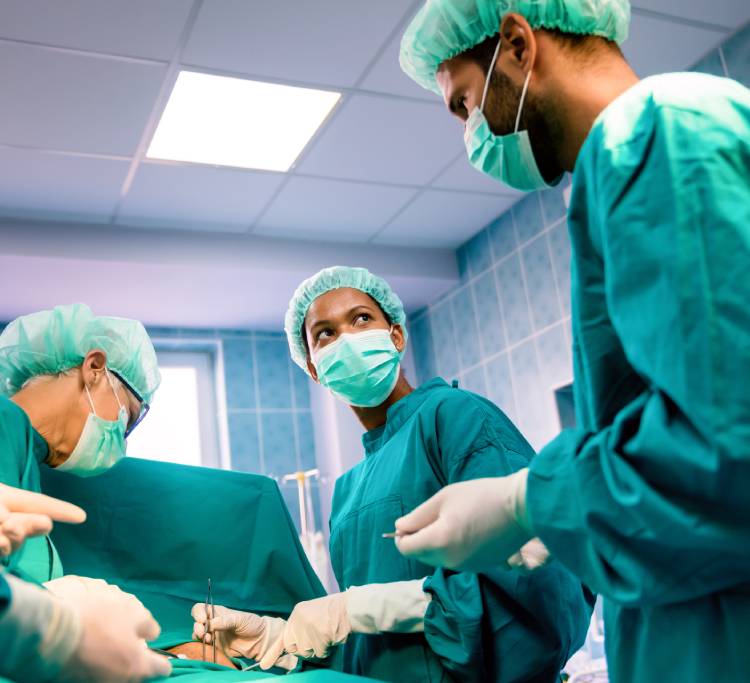
A parotidectomy is a surgical procedure performed under general anaesthesia to remove the parotid gland. The operation involves a carefully placed incision, usually hidden in a natural skin crease around your ear and extending into the hairline, to access the gland. The extent of the surgery depends on the location and nature of the problem; a "superficial parotidectomy" removes the part of the gland overlying the facial nerve, while a "total parotidectomy" removes the entire gland. The most common reason for this surgery is to remove a benign (non-cancerous) or malignant (cancerous) tumour. It may also be required for managing severe, chronic infections that have destroyed the gland tissue.

Parotidectomy incision illustration

Is a Parotidectomy the Right Option for Me?

A parotidectomy is a significant operation indicated for specific medical conditions. It is the necessary treatment pathway if you have:

  • A diagnosed lump or tumour within your parotid gland
  • A fine-needle aspiration (FNA) biopsy that is suspicious or confirmed for cancer
  • Chronic, recurrent, and severe parotid infections that have not responded to any other treatment
  • A large, obstructive process within the gland that cannot be managed with minimally invasive techniques
  • Been advised by a specialist that surgical removal is the safest and most effective option
ENT Central Logo
Facial nerve monitoring during surgery

What Are the Benefits of a Specialist Parotidectomy?

Having this complex surgery performed by a specialist Head and Neck surgeon like Dr. Basheeth is critical for a safe and successful outcome. The benefits include:

  • Complete and effective removal of the tumour or diseased gland
  • Provides a definitive pathological diagnosis
  • Drastically reduces the risk of tumour recurrence
  • Crucially, maximizes the preservation of facial nerve function
  • Utilizes advanced facial nerve monitoring technology during surgery
  • An excellent cosmetic result with a well-hidden scar
  • Expert management of a complex anatomical region
  • Comprehensive post-operative care and long-term follow-up

How Is Parotidectomy Different From Other Salivary Gland Surgery?

Parotidectomy is fundamentally different from and significantly more complex than any other salivary gland procedure. While minimally invasive techniques like sialendoscopy work inside the gland's ducts, a parotidectomy involves the careful removal of the gland tissue itself. The defining challenge of this operation is the intricate network of the facial nerve, which controls all your facial expressions and runs directly through the substance of the gland. The entire procedure is performed around these delicate nerve branches, requiring immense skill, precision, and experience.

What Does Recovery After Parotidectomy Involve?

Recovery begins with a short hospital stay, typically one or two nights. You will have a small surgical drain in your neck for a day to prevent fluid collection, and the incision will be carefully dressed. It is normal to experience some numbness around your earlobe and jawline. The most significant aspect of recovery is the function of your facial nerve; it is common to have some temporary weakness of facial movement, which improves over weeks to months as the nerve recovers from the stress of surgery. Dr. Basheeth will provide a detailed and supportive post-operative care plan to guide your healing.

Why Choose Dr. Naveed Basheeth:Excellence in Parotidectomy Surgery

Dr. Naveed Basheeth is an internationally fellowship-trained ENT and Head and Neck surgeon for whom parotidectomy is a core specialty. He possesses the extensive experience and technical skill required to navigate the complexities of the facial nerve safely. Dr. Basheeth routinely uses intraoperative facial nerve monitoring to enhance safety, with an unwavering commitment to achieving the best possible oncological and functional outcomes for his patients.

Book your personalized consultation at ENT Central today.

Parotidectomy FAQs

What is the risk of permanent damage to my facial nerve?

Will I have a noticeable scar on my face?

What is Frey's Syndrome?

Will my face look sunken in after the gland is removed?

What is the risk of permanent damage to my facial nerve?

This is the most important consideration in parotid surgery. In the hands of an experienced specialist surgeon, the risk of a permanent, severe weakness to the facial nerve is very low (typically 1-2%). Temporary weakness is more common but usually resolves fully. The use of continuous nerve monitoring during the surgery adds a critical layer of safety.

Will I have a noticeable scar on my face?

Dr. Basheeth uses a modified facelift incision, which is meticulously placed in the natural crease in front of your ear and then hidden in the hairline behind it. This technique provides excellent access for the surgery while resulting in a scar that heals beautifully and is very difficult to see once matured.

What is Frey's Syndrome?

Frey's syndrome is a common, long-term side effect of parotidectomy where you may experience sweating on the skin of your cheek when you eat. It occurs because nerve fibres that were meant for the salivary gland regrow to supply the sweat glands of the overlying skin. While it can be a nuisance, it is not dangerous and can be managed if it becomes bothersome.

Will my face look sunken in after the gland is removed?

Removing the gland can sometimes leave a small contour defect or hollow in the cheek area. The extent of this depends on the size of the gland removed and your own anatomy. If this is a concern, Dr. Basheeth can discuss potential reconstructive options with you.


What Is Excision of the Submandibular Gland?

This is a surgical procedure performed under general anaesthesia to remove one of your two submandibular glands, which are major salivary glands situated just below your jawbone on either side. The operation is done through a small, carefully placed incision in a natural skin crease of your upper neck. It is the definitive treatment for conditions where the gland itself is the source of the problem, such as when it contains a tumour or has been destroyed by recurrent, severe infections that have failed all other forms of treatment.

Surgical incision for submandibular gland removal

Is This Surgery the Right Option for Me?

Excision of the submandibular gland is a significant procedure reserved for specific situations where less invasive options are not appropriate or have already failed. It is the necessary treatment pathway if you have:

  • A diagnosed tumour (benign or malignant) within the submandibular gland
  • Recurrent, severe infections and painful swelling that are no longer responding to treatment
  • A very large salivary stone that cannot be removed with minimally invasive techniques
  • A gland that has become scarred and non-functional due to chronic disease
  • Been advised by a specialist that removal is the safest and most effective long-term solution
ENT Central Logo
Nerve preservation in submandibular gland surgery

What Are the Benefits of This Surgery?

When performed by a specialist surgeon like Dr. Basheeth, the removal of the submandibular gland provides a definitive solution to complex problems. The benefits include:

  • Complete removal of the tumour or the chronically diseased gland
  • Provides a final, definitive diagnosis from the pathologist
  • Permanently ends the cycle of recurrent pain, swelling, and infection
  • Meticulous surgical technique to identify and preserve critical nerves
  • An excellent cosmetic outcome with a well-hidden neck scar
  • Provides lasting peace of mind and improves quality of life

How Is This Surgery Different From Sialendoscopy?

This procedure is fundamentally different from minimally invasive techniques. Sialendoscopy is a procedure that works inside the gland's duct to remove a simple blockage like a stone, preserving the gland. Excision of the submandibular gland is the removal of the entire gland itself. It is the definitive "end-of-the-line" treatment for when the gland is too diseased to be salvaged or contains a tumour that must be removed completely for your safety.

What Does Recovery After Surgery Involve?

Recovery typically involves a one-night stay in the hospital. You will have a small surgical drain in the incision for about 24 hours, and the neck wound is closed with dissolvable stitches. It is normal to have some swelling and bruising. The most important aspect of recovery relates to the nerves that run very close to the gland. It is possible to have some temporary weakness of the lower lip or numbness of the tongue, but with careful, expert surgery, the risk of a permanent problem is very low. Dr. Basheeth will provide a detailed post-operative plan to ensure your recovery is as smooth as possible.

Why Choose Dr. Naveed Basheeth:Excellence in Submandibular Gland Surgery

Dr. Naveed Basheeth is an internationally fellowship-trained ENT and Head and Neck surgeon with extensive experience in performing submandibular gland excision. He has an intimate knowledge of the complex anatomy of the neck and takes extreme care to identify and protect the vital nerves that control your lip and tongue function, ensuring the safest possible surgical outcome.

Book your personalized consultation at ENT Central today.

Excision of the Submandibular Gland FAQs

What are the main risks of this surgery?

Will I have a dry mouth if you remove this gland?

Why can't you just remove the tumour and leave the rest of the gland?

Will I have a very visible scar on my neck?

What are the main risks of this surgery?

The most significant risks are related to the three important nerves located near the gland: the marginal mandibular nerve (controls the corner of your mouth), the hypoglossal nerve (controls tongue movement), and the lingual nerve (provides sensation to your tongue). In the hands of an experienced surgeon, the risk of permanent injury to these nerves is low, but temporary weakness or numbness during the healing period can occur.

Will I have a dry mouth if you remove this gland?

No. Your remaining major salivary glands (the other submandibular gland and the two large parotid glands) and hundreds of minor glands produce more than enough saliva to compensate. You should not notice any significant difference in mouth wetness.

Why can't you just remove the tumour and leave the rest of the gland?

For tumours, removing the entire gland is the standard of care. It is the safest way to ensure the whole tumour is removed with a clear margin of healthy tissue around it, which significantly reduces the risk of it ever coming back.

Will I have a very visible scar on my neck?

Dr. Basheeth is very careful to place the incision within a natural skin crease in your upper neck. This allows it to heal beautifully, and once it has fully matured, the scar is typically very fine and difficult to see.

Referral Pathway: We provide online consultations within two weeks of referral for out-of-town residents. Relevant investigations, radiological and laboratory, can be undertaken in the patient's city. Private and outsourced referrals can be sent to: admin@entcentral.co.nz (347) 557-8368.
Contact Us