What Are the Parathyroid Glands?

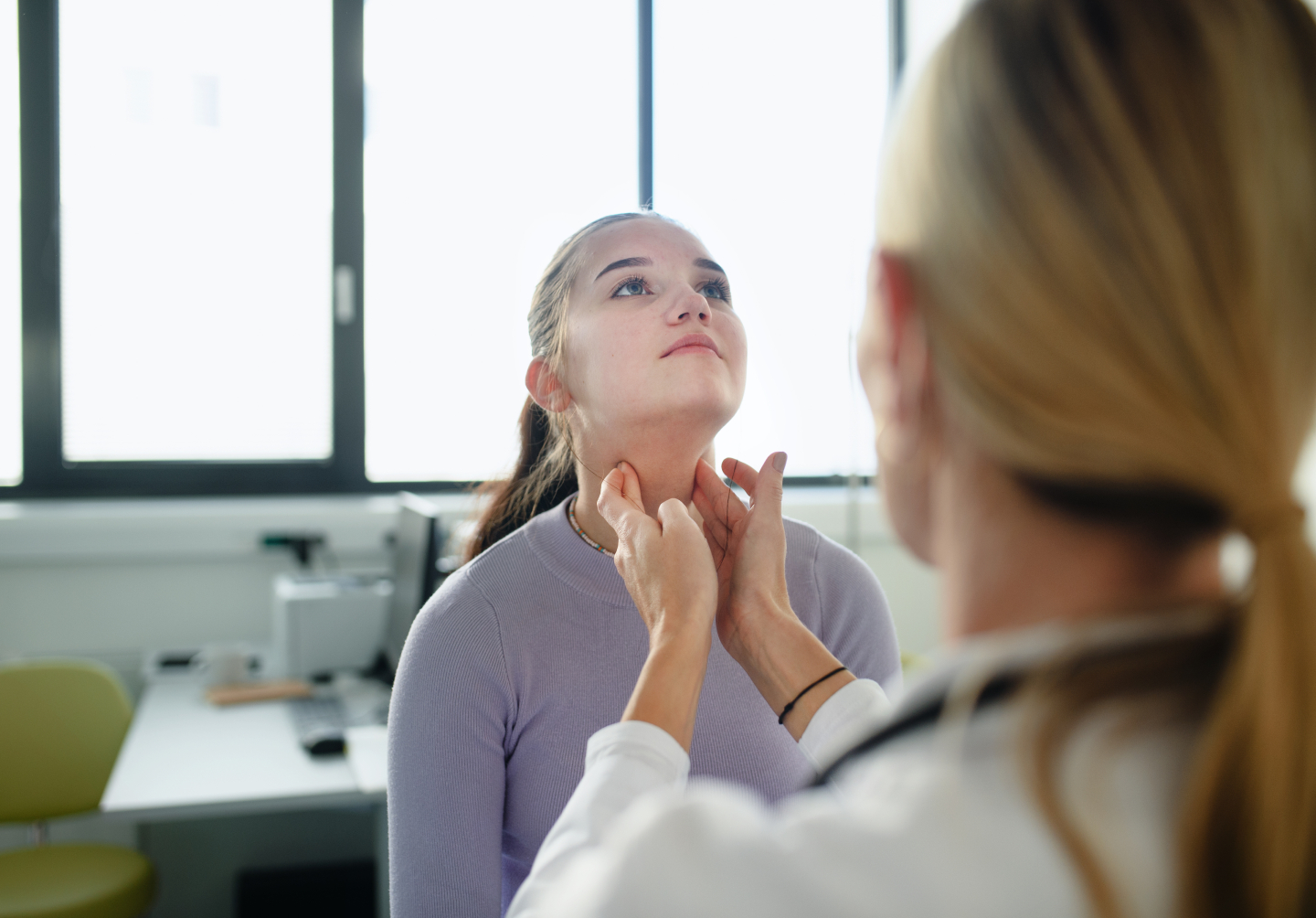
There are four tiny parathyroid glands behind the thyroid gland. They make parathyroid hormone (PTH), which controls bone health, muscle function, and nerve signalling. This hormone keeps the body's calcium and phosphorus levels in check. Overactive glands and other problems can cause pain, weak bones, kidney stones, tiredness, and mood swings.

Benefits of Parathyroid Surgery

Under Dr. Basheeth’s care, parathyroid surgery offers:

  • Definitive treatment by removing overactive parathyroid tissue
  • Naturally restored calcium balance, often avoiding long-term medication
  • Relief from symptoms like bone and muscle pain, fatigue, and kidney stones
  • Procedures that are minimally invasive, involving minor cuts and short hospital stays
  • Use of intraoperative monitoring to ensure healthy glands remain intact

Understanding ParathyroidWhy Treat Parathyroid Conditions?

Parathyroid disorders can disrupt overall health, causing bone loss, kidney disease, hypertension, and neuropsychiatric symptoms if not treated.

Surgery ensures accurate removal of problematic glands while preserving calcium regulation. By providing timely intervention, Dr. Basheeth helps prevent complications and improve long-term well-being through expert surgical precision.

“My parathyroid surgery with Dr. Basheeth made things better after I had been battling with severe fatigue and muscle pain. I feel better than I have in a while..”

Palmerston North Parathyroid Patient

Surgical Details

At Crest Hospital, parathyroid procedures are done using general anaesthesia. Usually, a tiny cut is done around the crease in the neck to take out the gland(s) that are causing problems. Dr. Basheeth protects nearby structures using nerve monitoring and high-definition instruments. For the right instances, he provides scarless robotic solutions that use remote-access procedures through the armpit or behind the ear. Blood tests done during surgery confirm that the gland was completely removed

Am I a Candidate for Parathyroid Surgery?

You may be a candidate if you have:

  • Elevated calcium levels with symptoms like fatigue, kidney stones, or bone pain
  • Laboratory tests showing high PTH (parathyroid hormone)
  • Imaging or scan evidence of a parathyroid adenoma
  • Symptoms that significantly impact daily function or long-term health

Dr. Basheeth will evaluate your condition thoroughly, considering imaging and labs, to determine the best approach for your care.

Recovery & Expected Outcomes

Most patients undergoing parathyroid surgery are discharged either on the same day or after a brief overnight stay, depending on the complexity of the procedure and individual recovery. The area around the incision may feel sore or tender initially, but this discomfort is typically mild and well managed with oral pain relief. Dr. Basheeth ensures that postoperative care is closely monitored, helping patients transition comfortably through the early recovery phase.

Within one to two days, most individuals are able to return to light daily activities, with full recovery generally expected in one to two weeks. A soft diet and plenty of hydration are encouraged in the initial days following surgery to support healing. Patients often experience noticeable relief from symptoms such as fatigue, bone pain, or kidney issues shortly after surgery, as calcium levels begin to stabilize.

Follow-up blood tests are conducted within a few weeks to confirm the normalization of calcium and parathyroid hormone levels. With Dr. Basheeth’s expert surgical technique, the risk of complications remains low, and the incision site heals with minimal scarring. The long-term prognosis is excellent, especially in cases of early diagnosis, allowing patients to return to a healthier and more active life.


Types of Parathyroid Procedures

Dr. Basheeth employs advanced techniques tailored to each patient’s condition, offering both traditional and minimally invasive options. Whether it's a single overactive gland or a more complex case involving multiple glands, his approach is guided by high-resolution imaging, precision, and the goal of long-term calcium balance restoration. Depending on the diagnosis, the right surgical path is chosen to minimize scarring and recovery time while maximizing treatment outcomes.

Focused and Bilateral Parathyroid Surgery

In most cases of primary hyperparathyroidism, a focused parathyroidectomy is performed. This involves removing just one overactive gland through a small incision, often guided by preoperative imaging. When more than one gland is involved, bilateral neck exploration may be necessary. In this procedure, Dr. Basheeth carefully examines all four parathyroid glands and removes the affected ones while preserving healthy tissue, ensuring a safe and balanced approach.

Scarless Robotic Parathyroidectomy

For patients prioritizing cosmetic results, scarless robotic surgery offers an excellent alternative. Using hidden incisions—often in the armpit or behind the ear—Dr. Basheeth can access and remove the affected gland(s) without any visible neck scar. This technique combines aesthetic advantage with surgical precision, making it a preferred option for many eligible patients.

Reoperative Parathyroid Surgery

In cases where parathyroid disease persists or recurs after initial surgery, reoperative parathyroidectomy is required. These procedures are more complex due to previous surgical changes, but with Dr. Basheeth’s experience in revision surgery and use of advanced imaging tools, even difficult reoperations can be performed safely and effectively, restoring proper calcium metabolism and preventing further complications.

Parathyroid Surgery FAQs

Will I have a visible scar?

How quickly does calcium return to normal?

Will I need medication for life?

How long is recovery?

Is parathyroid surgery safe?

Will I have a visible scar?

Standard incisions are small and placed within neck creases. Robotic techniques use remote, hidden access.

How quickly does calcium return to normal?

Most patients experience normalization of calcium levels within days, confirmed through blood tests.

Will I need medication for life?

Not usually. Once the overactive gland is removed, calcium and PTH usually stabilize and no long-term medication is needed.

How long is recovery?

Most return to daily activities within 2 weeks; full recovery usually occurs within 3 to 4 weeks.

Is parathyroid surgery safe?

Yes—Dr. Basheeth employs nerve monitoring and meticulous technique to minimise risk, making complications very rare.

Why Choose Dr. Naveed Basheeth?

Dr. Naveed Basheeth brings international fellowship-trained practice in endocrine surgery, including advanced knowledge of robotic, minimal access parathyroid procedures. He combines technical precision with personalized, compassionate care to optimize patient outcomes. His experience and patient-first approach ensure every individual receives trusted, high-quality treatment for parathyroid disorders throughout New Zealand.

Book your personalised parathyroid consultation with Dr. Basheeth today.

Referral Pathway: We provide online consultations within two weeks of referral for out-of-town residents. Relevant investigations, radiological and laboratory, can be undertaken in the patient's city. Private and outsourced referrals can be sent to: admin@entcentral.co.nz (347) 557-8368.
Contact Us