What Is Sialendoscopy?

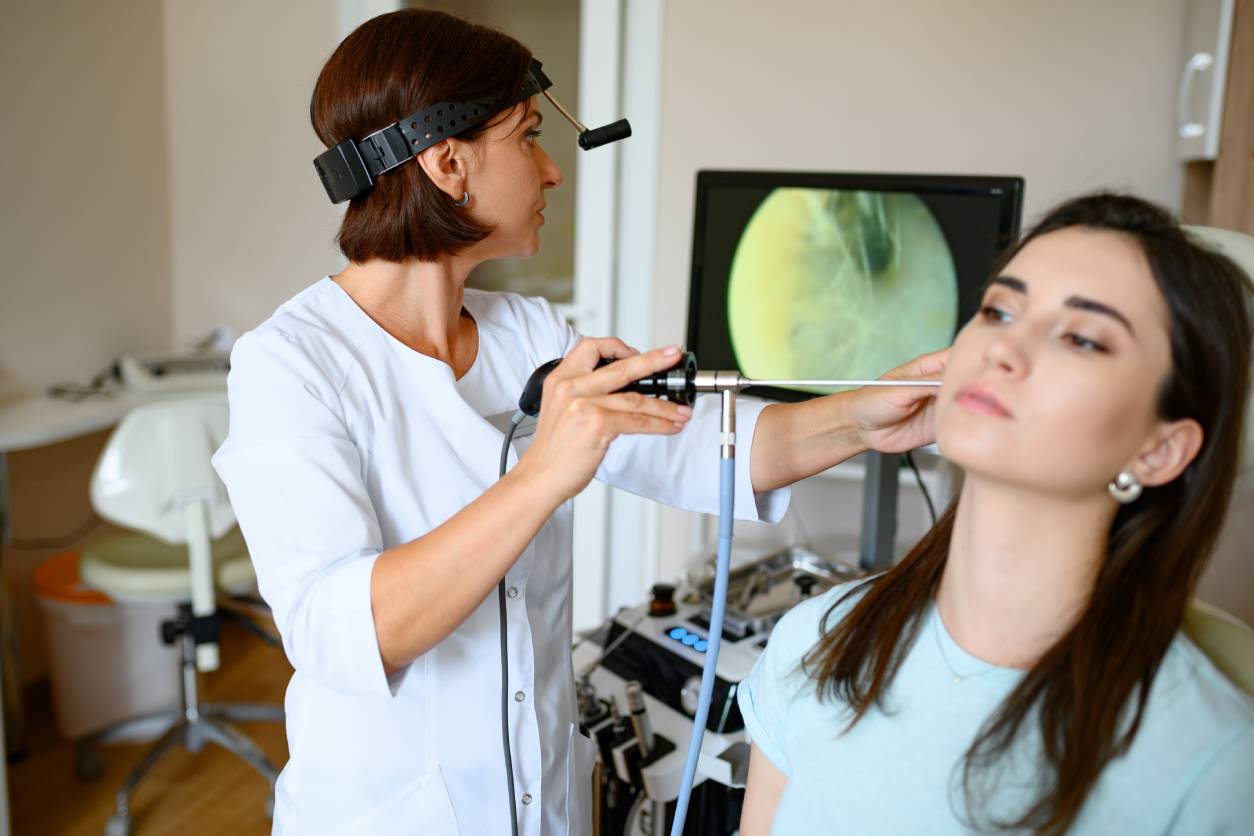
Sialendoscopy is a procedure performed under anaesthesia that involves guiding a semi-rigid endoscope, with a diameter of less than 2mm, into the natural opening of the salivary duct inside your mouth. This micro-camera provides a magnified, high-definition view of the entire ductal system. This allows Dr. Basheeth to accurately diagnose problems like stones, strictures, or inflammatory debris. More importantly, the endoscope has working channels through which he can pass specialized micro-instruments—such as baskets, graspers, or laser fibres—to treat the problem on the spot.

Sialendoscopy micro-instruments illustration

Is Sialendoscopy the Right Option for Me?

Sialendoscopy is the gold-standard treatment for obstructive salivary gland disease and may be the right option for you if you have:

  • Recurrent, painful swelling of your cheek or jaw that occurs when you eat
  • A diagnosed salivary stone (sialolithiasis)
  • Suspected narrowing or scarring of your salivary duct (stricture)
  • Recurrent gland infections (sialadenitis) caused by an underlying blockage
  • A desire to avoid traditional open surgery and preserve your salivary gland
  • Obstructive symptoms where other imaging tests have been inconclusive
ENT Central Logo
Sialendoscopy procedure illustration

What Are the Benefits of Sialendoscopy?

This advanced technique offers transformative benefits compared to traditional surgical methods. Key advantages include:

  • Completely minimally invasive with no external cuts or scars
  • Preserves your natural salivary gland and its function
  • Allows for both diagnosis and treatment in a single procedure
  • Provides definitive and lasting relief from painful mealtime swelling
  • Physically removes the source of the blockage
  • Prevents recurrent infections by restoring normal saliva flow
  • Involves a remarkably fast recovery with minimal downtime
  • The highest standard of care for obstructive salivary disease

How Is Sialendoscopy Different From Traditional Surgery?

The difference is profound. The traditional treatment for a persistent blockage often involved a major operation with an external neck incision to completely remove the entire salivary gland. Sialendoscopy has made this approach largely obsolete for obstructive disease. Instead of removing the gland to get to the problem, sialendoscopy goes directly to the problem (the stone or stricture) through the natural duct opening, fixes it, and leaves your healthy gland perfectly intact. It is a paradigm shift from major excisional surgery to elegant, gland-sparing intervention.

What Does Recovery After Sialendoscopy Involve?

Recovery from sialendoscopy is exceptionally quick and comfortable. As there are no external incisions, most patients experience only minor, temporary swelling inside the mouth. You can typically eat, drink, and return to all normal activities, including work or school, the very next day. This stands in stark contrast to the prolonged recovery, risks, and scarring associated with traditional open surgery.

Why Choose Dr. Naveed Basheeth:Excellence in Sialendoscopy

Dr. Naveed Basheeth is an internationally fellowship-trained ENT and Head and Neck surgeon who specializes in advanced, minimally invasive techniques. He is highly skilled and experienced in performing sialendoscopy for the full range of obstructive salivary disorders, with an unwavering commitment to preserving gland function and providing his patients with the most comfortable and effective modern treatments available.

Book your personalized consultation at ENT Central today.

Sialendoscopy FAQs

Is the procedure painful?

How big of a stone can you remove with sialendoscopy?

Will I need to stay in the hospital?

What happens if you find a narrowing (stricture) instead of a stone?

Is the procedure painful?

No. Sialendoscopy is performed while you are comfortably asleep under a general anaesthetic, so you will not feel anything during the procedure. Post-operative discomfort is minimal and easily managed with simple pain relief medication if needed at all.

How big of a stone can you remove with sialendoscopy?

Small to medium-sized stones located within the duct can often be removed directly with a micro-basket through the endoscope. For larger stones, Dr. Basheeth can use advanced techniques, combining sialendoscopy with a tiny incision inside the mouth to remove the stone while still preserving the gland.

Will I need to stay in the hospital?

Sialendoscopy is typically performed as a day-case procedure, meaning you will be able to go home the very same day. An overnight hospital stay is not usually required.

What happens if you find a narrowing (stricture) instead of a stone?

This is a key advantage of sialendoscopy. If a stricture is identified, Dr. Basheeth can treat it immediately by using the endoscope or specialized instruments to gently dilate (stretch) the narrowed segment. He may also instill steroid medication to reduce inflammation and prevent it from scarring down again.

Referral Pathway: We provide online consultations within two weeks of referral for out-of-town residents. Relevant investigations, radiological and laboratory, can be undertaken in the patient's city. Private and outsourced referrals can be sent to: admin@entcentral.co.nz (347) 557-8368.
Contact Us