What Is Juvenile Recurrent Parotitis?

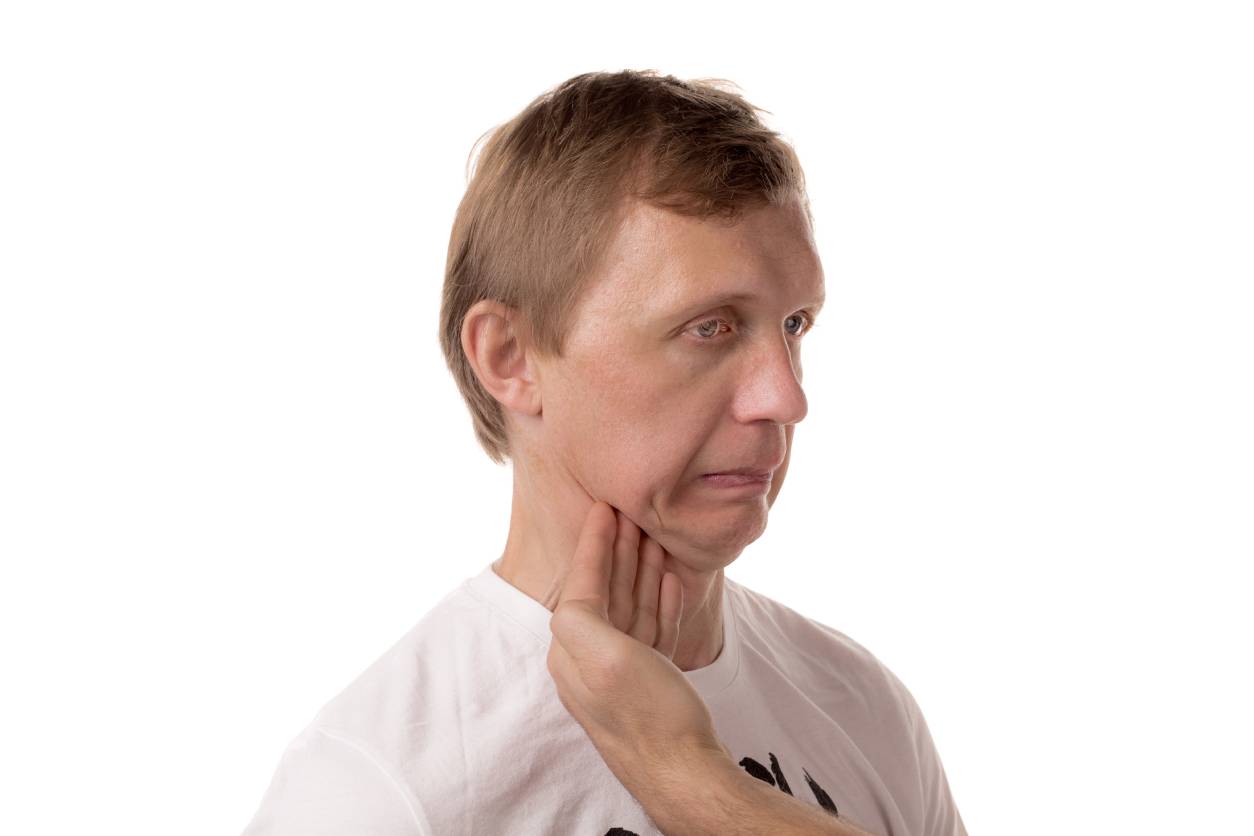
Juvenile Recurrent Parotitis is the second most common inflammatory condition of the salivary glands in children, following mumps. It is defined by recurring episodes of painful swelling of one or both parotid glands. During an attack, your child may experience tenderness in their cheek, a low-grade fever, and feel generally unwell. These episodes can last for several days before resolving completely. A key feature of JRP is that the child is perfectly healthy and symptom-free between attacks. While the exact cause is unknown, the excellent news for parents is that in most cases, JRP resolves spontaneously as the child goes through puberty.

Is a JRP Evaluation the Right Option for My Child?

A specialist evaluation is important to confirm a diagnosis of JRP and rule out other causes of gland swelling in your child. It is the right option if your child has:

  • Experienced two or more episodes of painful swelling in one or both cheeks
  • The swelling lasts for several days to weeks at a time
  • Been cleared of having mumps or other common viral infections
  • Appears completely healthy and normal in between the swelling episodes
  • The attacks are frequent enough to disrupt their schooling or daily activities
  • You are seeking a clear diagnosis and an effective long-term management plan

What Are the Benefits of Specialist JRP Management?

Receiving specialist care for your child's JRP at ENT Central provides peace of mind and access to effective, modern treatments. Key benefits include:

  • A definitive diagnosis, typically using high-resolution ultrasound
  • Expertly rules out other, more serious conditions
  • Provides clear answers and reassurance for parents and caregivers
  • Can significantly reduce the frequency and severity of painful attacks
  • Access to advanced, minimally invasive sialendoscopy when required
  • Helps to avoid the overuse of unnecessary antibiotics
  • Improves your child's overall quality of life
  • Reduces missed time from school and important activities
  • Provides a clear plan for managing acute episodes at home
  • Compassionate, child-focused, and evidence-based care

How Is Specialist JRP Diagnosis Different? The Role of Ultrasound

Diagnosing JRP accurately requires more than a simple physical examination. A specialist like Dr. Naveed Basheeth utilises high-resolution ultrasound, which is the gold standard for diagnosing this condition. This safe, radiation-free imaging not only confirms inflammation during an attack but can also identify the subtle, characteristic changes within the gland between episodes. This ability to see the typical signs of JRP even when the child is well provides a definitive, non-invasive diagnosis and avoids the need for more complex tests in most children.

What Does JRP Treatment Involve?

Treatment for JRP is twofold: managing acute attacks and preventing future ones. During an acute episode, care is supportive, focusing on pain relief with paracetamol or ibuprofen, ensuring good hydration, and using gentle gland massage. For children who suffer from frequent and severe attacks that impact their quality of life, Dr. Basheeth can perform a highly effective, minimally invasive procedure called sialendoscopy. This involves washing out the gland's ducts and instilling a steroid medication directly into the gland, a process which has been shown to dramatically reduce the frequency and severity of future attacks.

Why Choose Dr. Naveed Basheeth:Excellence in JRP Care

Dr. Naveed Basheeth is an internationally fellowship-trained ENT and Head and Neck surgeon with specialized expertise in pediatric salivary gland conditions like JRP. He is highly skilled in both the accurate diagnosis and the minimally invasive management of this condition, including performing sialendoscopy on children. Trust Dr. Basheeth to provide expert, compassionate care that prioritizes your child's comfort and well-being.

Book your personalized consultation at ENT Central today.

Juvenile Recurrent Parotitis (JRP) FAQs

Is JRP contagious like mumps?

Will my child have this condition for the rest of their life?

What is sialendoscopy and is it safe for a child?

Are antibiotics needed for every JRP episode?

Is JRP contagious like mumps?

No, JRP is not contagious. It is an inflammatory condition within the gland and is not caused by a virus that can be spread, like mumps. Your child cannot pass JRP on to other children at school or to family members at home.

Will my child have this condition for the rest of their life?

It is very unlikely. JRP has an excellent long-term prognosis. In the vast majority of cases, the episodes naturally become less frequent and less severe over time, and stop completely around the time of puberty.

What is sialendoscopy and is it safe for a child?

Sialendoscopy is a very safe, minimally invasive procedure where a camera smaller than 2mm wide is gently guided into the salivary duct. To ensure your child is completely comfortable, it is performed under a general anaesthetic. It allows for a therapeutic "wash and rinse" of the ducts and is a highly effective way to prevent future attacks in children with severe JRP.

Are antibiotics needed for every JRP episode?

Not necessarily. JRP is primarily an inflammatory condition, not a bacterial one. Antibiotics are only prescribed if there are clear signs that a secondary bacterial infection has developed, such as a high fever or pus seen coming from the duct opening in the mouth. Dr. Basheeth will help guide when they are truly needed.

Referral Pathway: We provide online consultations within two weeks of referral for out-of-town residents. Relevant investigations, radiological and laboratory, can be undertaken in the patient's city. Private and outsourced referrals can be sent to: admin@entcentral.co.nz (347) 557-8368.
Contact Us