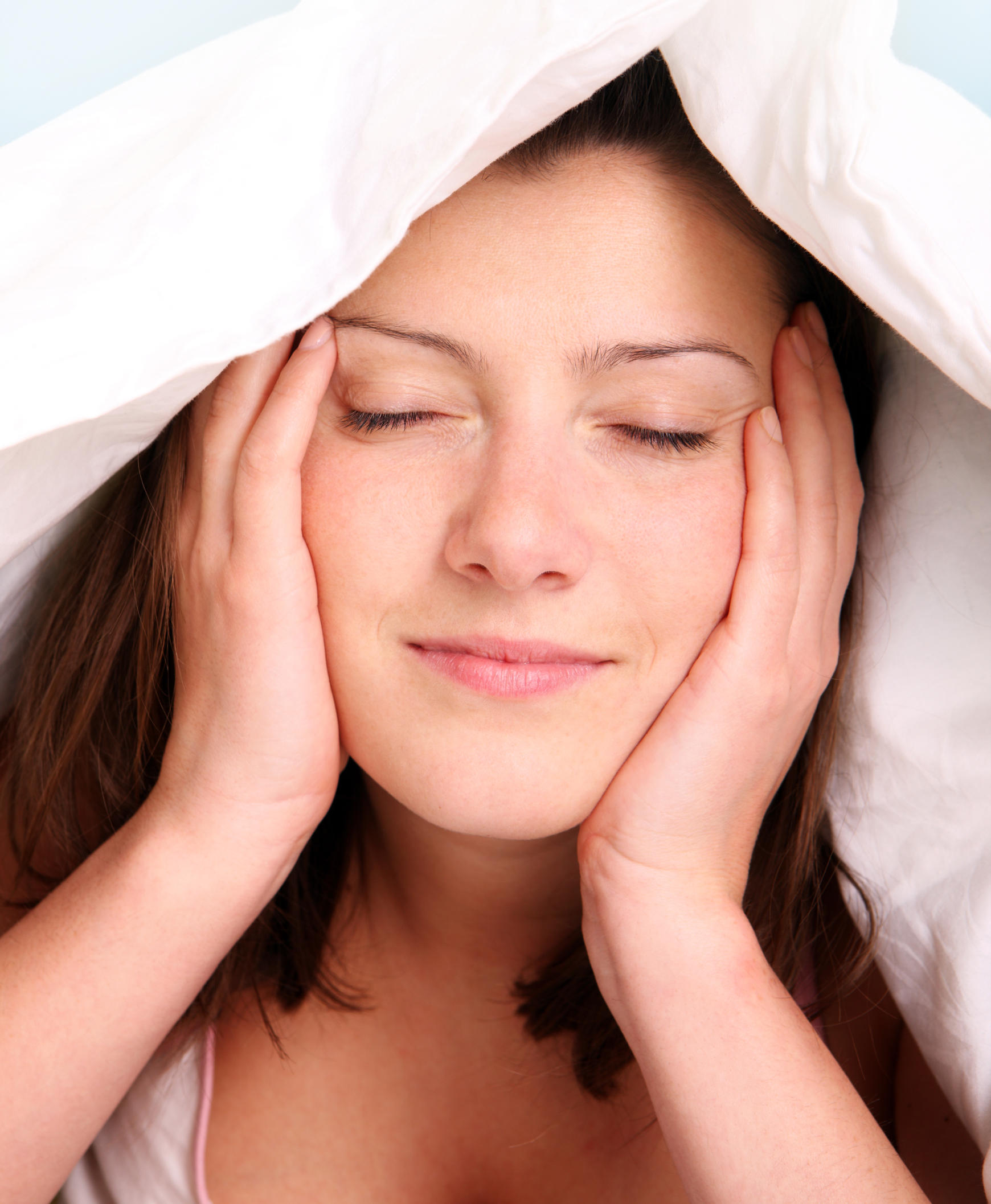
What Is Snoring & Sleep Apnoea?

Snoring occurs when airflow vibrates soft tissues in the throat, often due to relaxed muscles or anatomical factors. Sleep apnoea, particularly OSA, involves complete or partial airway blockages, leading to disrupted breathing, poor sleep, and reduced oxygen levels. These conditions can cause fatigue, cardiovascular issues, and other complications if untreated.

Benefits of Treatment

  • Better Sleep Quality: Reduces snoring and breathing interruptions, leading to more restful and uninterrupted sleep.
  • Increased Daytime Energy: Helps combat fatigue, boosting concentration and daily performance.
  • Improved Overall Health: Decreases the risk of serious conditions like heart disease, stroke, and high blood pressure associated with untreated obstructive sleep apnea (OSA).
  • Minimally Invasive Treatments: Many options require little to no major surgery, allowing for quicker recovery.
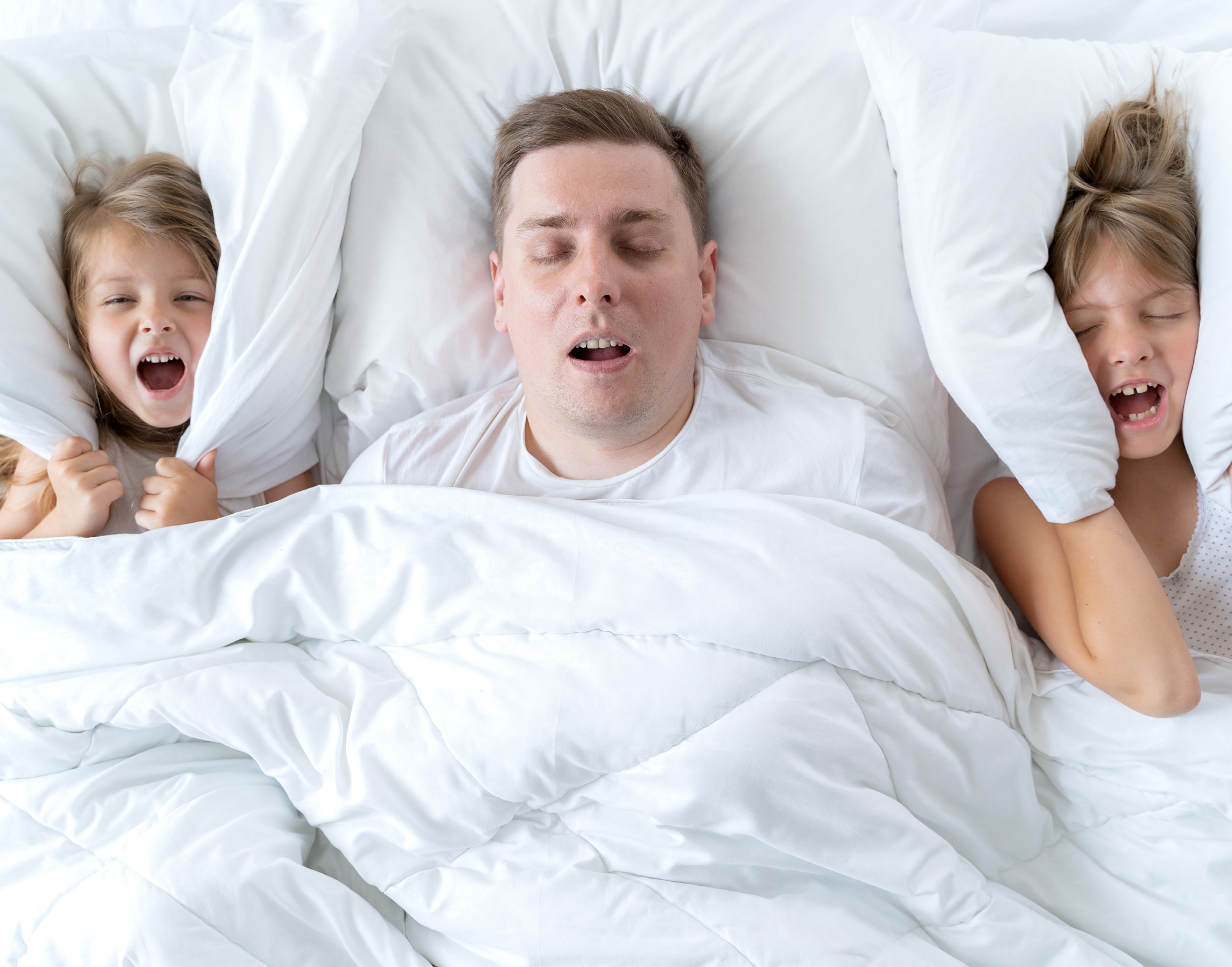
  • Stronger Relationships: Quieter, more peaceful sleep benefits both patients and their partners.

Why Treat Snoring & Sleep Apnoea?

Neglecting snoring and sleep apnoea can have profound consequences for your health and well-being. These conditions disrupt restful sleep, leading to chronic exhaustion, irritability, and difficulty concentrating, which can strain personal and professional life.

More critically, untreated sleep apnoea increases the risk of serious conditions such as heart disease, hypertension, type 2 diabetes, and even stroke due to repeated oxygen deprivation. Over time, these issues can erode quality of life, affecting mood, cognitive clarity, and overall vitality. Seeking timely treatment halts this progression, restores restful and rejuvenating sleep, and safeguards long-term health, enabling you to thrive with renewed energy and peace of mind.

“For years, my snoring kept my partner awake, and I felt exhausted daily. Dr. Basheeth’s treatment was life-changing—quick, comfortable, and effective. I now sleep soundly, and so does my family!”

Diagnostic & Treatment Details

The journey to effective treatment begins with a comprehensive evaluation to pinpoint the root cause of snoring or sleep apnoea. This often includes a sleep study (polysomnography), which monitors breathing patterns, oxygen levels, and sleep stages to confirm the diagnosis and assess severity. Treatment options are tailored to each patient, ranging from non-invasive approaches like lifestyle modifications (e.g., weight management or positional therapy) and devices such as continuous positive airway pressure (CPAP) to advanced surgical solutions. Minimally invasive procedures, such as uvulopalatopharyngoplasty (UPPP) to reshape throat tissues or septoplasty to correct nasal obstructions, are performed with precision to enhance airflow, reduce snoring, and alleviate apnoea episodes, ensuring optimal outcomes with minimal discomfort.

Am I a Candidate for Treatment?

You may benefit from snoring or sleep apnoea treatment if you experience:

  • Loud, persistent snoring
  • Gasping or choking during sleep
  • Excessive daytime sleepiness
  • Morning headaches or dry mouth
  • Difficulty concentrating or irritability
  • Diagnosed or suspected OSA via sleep study
  • A personalized evaluation, including medical history and diagnostic tests, determines the best treatment plan

Recovery & Expected Outcomes

Recovery from snoring and sleep apnoea treatments is typically swift and straightforward, thanks to the minimally invasive nature of many procedures. Patients may notice mild throat soreness or temporary nasal congestion following surgery, but these symptoms are generally manageable with over-the-counter pain relief or prescribed medications. Most individuals return to light activities, such as work or school, within a few days, enjoying the absence of external incisions or bulky dressings, which preserves confidence and minimizes disruption to daily life.

As recovery progresses over the following weeks, patients often experience a transformative improvement in sleep quality, with fewer breathing interruptions and quieter nights. This leads to enhanced daytime energy, sharper focus, and a brighter mood, significantly boosting overall well-being. The elimination of disruptive snoring also fosters better sleep for partners, strengthening relationships and household harmony.

Long-term outcomes are highly positive, with many patients achieving sustained relief from snoring and apnoea symptoms, alongside a reduced risk of associated health issues like heart disease and hypertension. Regular follow-up appointments with Dr. Basheeth ensure that improvements are maintained, any minor concerns are addressed promptly, and patients continue to enjoy restful sleep and a healthier, more vibrant life.

Types of Snoring & Sleep Apnoea Procedures

A variety of advanced procedures are available to treat snoring and sleep apnoea, each customized to address the specific anatomical causes and severity of the condition. Using state-of-the-art, minimally invasive techniques, these treatments enhance airflow, reduce disruptions, and promote restful sleep with minimal recovery time.

Uvulopalatopharyngoplasty (UPPP) and Soft Palate Procedures

Uvulopalatopharyngoplasty (UPPP) and related soft palate surgeries target excess or relaxed tissues in the throat that contribute to airway obstruction. By carefully reshaping or removing tissues like the uvula or soft palate, often with laser-assisted methods, these procedures widen the airway to reduce snoring and alleviate mild to moderate obstructive sleep apnoea. Patients experience minimal discomfort, rapid recovery, and significant improvements in sleep quality without visible scarring.

Nasal Airway Correction: Septoplasty and Turbinate Reduction

Septoplasty is a procedure that straightens a deviated nasal septum, while turbinate reduction shrinks enlarged nasal tissues that block airflow. Both are typically done using an endoscopic approach, which improves nasal breathing, reduces snoring, and enhances the success of treatments like CPAP. Since these techniques are minimally invasive, recovery is usually quick, helping patients return to normal activities with greater ease and better breathing.

Advanced Solutions: Hypoglossal Nerve Stimulation and Airway Reconstruction

For severe sleep apnoea, hypoglossal nerve stimulation uses an implanted device to stimulate tongue muscles, preventing airway collapse during sleep. Airway reconstruction, tailored to complex cases, addresses structural blockages to restore optimal airflow. These precise, innovative techniques provide long-lasting relief, improving sleep quality and overall health with a patient-centered approach.

Advanced Rhinology FAQs

What causes snoring and sleep apnoea?

Can lifestyle changes help?

Is surgery always required?

How is sleep apnoea diagnosed?

Will there be a scar?

How long is recovery?

Will treatment stop my snoring?

Are there risks?

Is general anesthesia used?

Can children have sleep apnoea?

What causes snoring and sleep apnoea?

Airway obstruction from relaxed throat tissues, nasal issues, or anatomical factors.

Can lifestyle changes help?

Yes, weight loss, sleep position changes, or avoiding alcohol may reduce symptoms.

Is surgery always required?

No, non-surgical options like CPAP or oral appliances may suffice for some.

How is sleep apnoea diagnosed?

Through sleep studies (polysomnography) monitoring breathing, oxygen, and sleep patterns.

Will there be a scar?

Most procedures are minimally invasive, leaving no visible external scars.

How long is recovery?

Most patients resume normal activities within days to a week.

Will treatment stop my snoring?

Many patients experience significant or complete snoring reduction.

Are there risks?

Risks are minimal but include temporary discomfort or rare complications like infection.

Is general anesthesia used?

Often for surgical procedures, though some use local anesthesia.

Can children have sleep apnoea?

Yes, often due to enlarged tonsils; treatments are tailored for pediatric patients.

Why Choose Dr. Naveed Basheeth?

Dr. Naveed Basheeth, an internationally fellowship-trained ENT specialist, offers advanced expertise in snoring and sleep apnoea management. Using state-of-the-art diagnostic and surgical techniques, he delivers personalized, minimally invasive care to optimize sleep and health outcomes. Patients across New Zealand trust his meticulous approach and supportive care.

Book your personalized consultation with Dr. Basheeth today.

Referral Pathway: We provide online consultations within two weeks of referral for out-of-town residents. Relevant investigations, radiological and laboratory, can be undertaken in the patient's city. Private and outsourced referrals can be sent to: admin@entcentral.co.nz (347) 557-8368.
Contact Us